New Research on Omega-3s (2026)

You already know Omega-3s are important for cats. For one thing, I keep telling you! Plus, it’s all over the media--more now than ever before. While EPA was the darling for many years, DHA has become the current star of the show. There are a couple reasons for that. First, it is being intensely studied right now, so many more research papers are being reported. But more subtly, I think, is that DHA is easily produced from algae, making it vegan (not that carnivorous cats need a vegan product). Algae ...

2026-05-27T15:58:00-07:00May 27th, 2026|

Phosphorus Matters for Cats

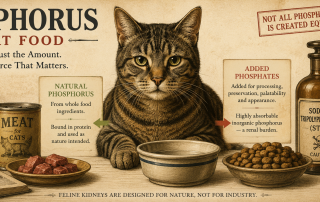
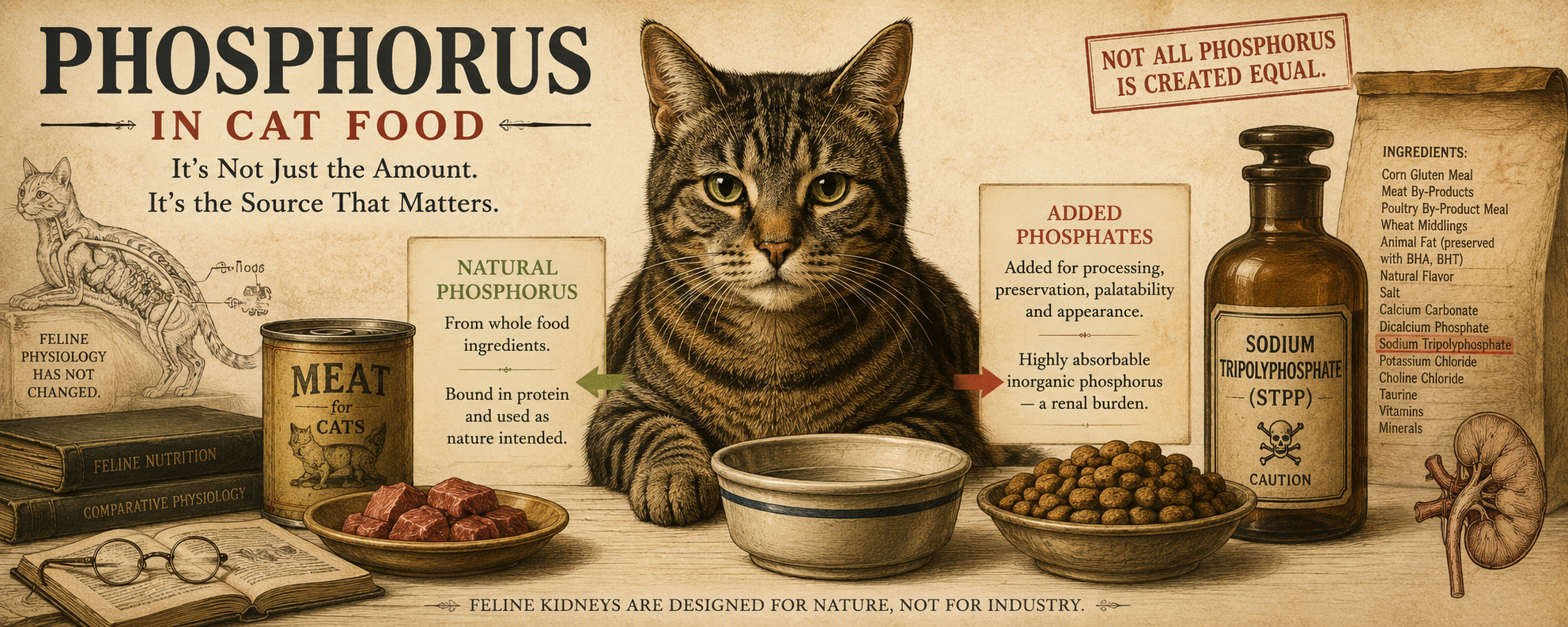
A new upper limit for phosphorus in cat food is about to be implemented. But what does that mean? AAFCO, the Association for American Feed Control Officials, sets nutritional standards for pet food sold in the U.S. Their Nutrient Profiles for dogs and cats set minimums for 40+ nutrients including amino acids, minerals, fats, and vitamins. But very few nutrients have maximums, even though it might be beneficial for certain ingredients that can become toxic in excess. Phosphorus has become a nutrient of concern for cats in the last several ...

2026-05-19T11:46:05-07:00May 19th, 2026|

Coconut Oil and Cats

Updated 4/29/26 Questions about coconut oil keep coming up, so I want to explain why I don't recommend giving it to cats. Cats Need the Right Fats The carnivore's natural diet is high in both protein and animal fat. There are only three essential fatty acids that cats must obtain from their diet: linoleic acid (LA), alpha linolenic acid (ALA) and arachidonic acid (AA). Adult cats can benefit from many other fats and oils, particularly EPA and DHA (which kittens require), but they aren't necessary for survival. Coconut oil is ...

2026-04-29T18:42:26-07:00June 29th, 2016|

Homemade Diets for Cats and Dogs

REVISED 6/1/23 Balanced homemade diets are the best for our cats and dogs. By making your pet’s food at home, you control the quality of the ingredients, and commercial food additives such as colorings and preservatives can be avoided. Once you get the hang of it, homemade food is both time and cost-efficient. It’s definitely worth the effort! Before you put your companion animal on a home-prepared diet, please discuss your decision with your veterinarian, or a holistic veterinarian  who understands nutrition and is comfortable with home-made diets. For a ...

2024-09-01T01:53:31-07:00November 18th, 2010|
Go to Top