

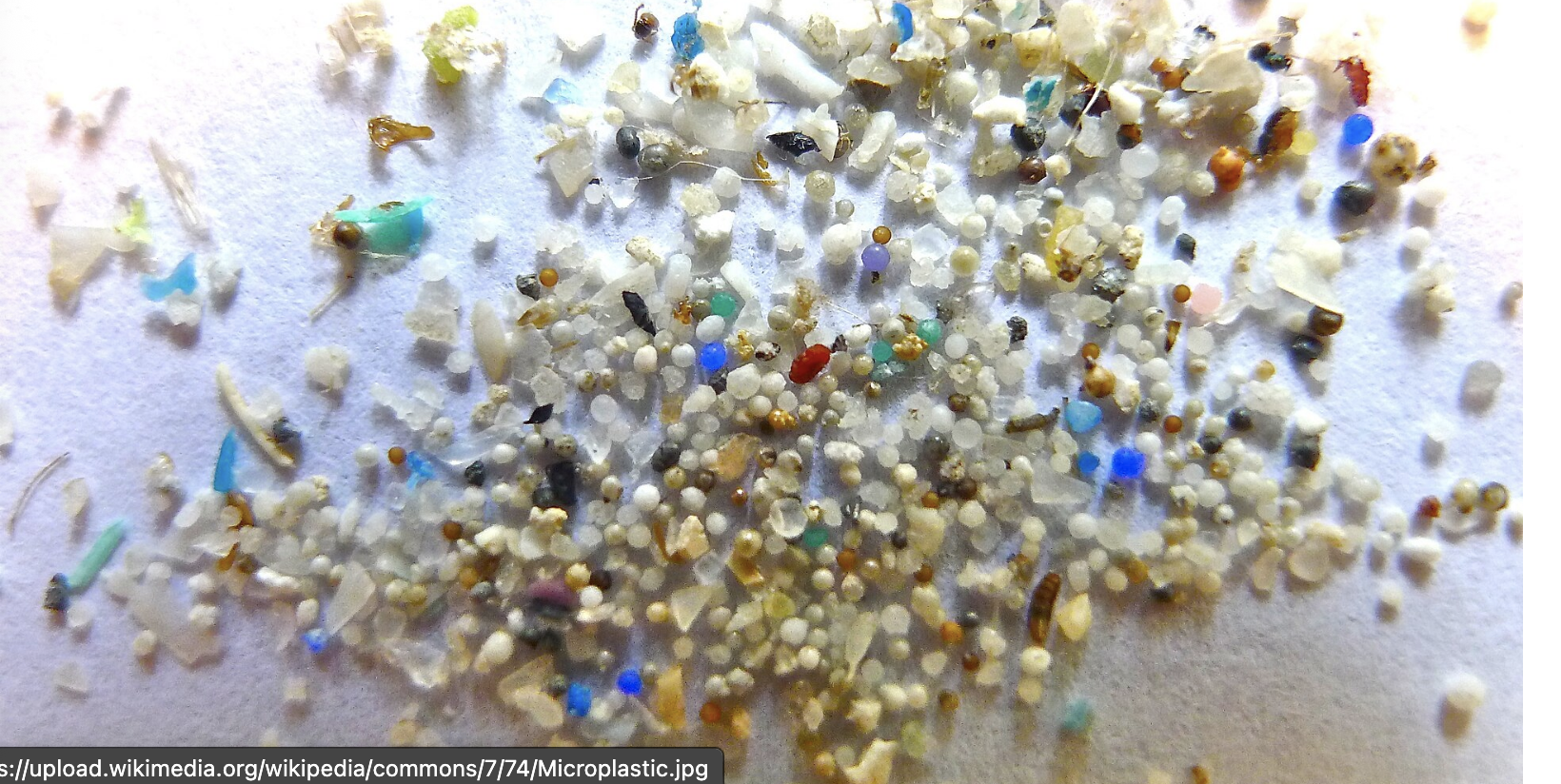
Microplastics are everywhere—water, air, food, and animal tissues. Cats are not exempt.
It sounds scary—and it is—but it’s not time to panic. At the same time, it’s not something we should ignore.
Where do microplastics come from?
Food is one route, especially diets heavy in seafood. Food packaging and storage add to overall exposure. Water is another. Household dust is a big one that people overlook. This matters for cats because they ingest dust during grooming.
Microplastic exposure is multifactorial and cumulative. There is no single major source.
Cats Are Already Exposed
Microplastics have already been detected in pet food and in the feces of cats and dogs, often at levels higher than what’s measured in the food itself. Importantly, this suggests that environmental exposure may be as big—or even bigger—a factor than diet.
Microplastics have also been detected in multiple tissues across species. This includes the livestock, poultry and fish our cats consume in their food every day.
While we don’t yet know the full health impact of microplastics themselves, they can carry other contaminants that are known to be harmful. The long-term biological impact of all these factors is unknown.
Reducing Cats’ Microplastic Burden
So far, there is no surefire way to remove microplastics once they’re in the body. Any product that promises to do that is nothing but hype. What we need to focus on is reduction, not elimination.
- Water filtration. Reverse osmosis can remove most (but not all) microplastics. Most other filters remove larger particles, but nanoplastics can still escape nearly all systems.
- Avoid fish-based diets as a mainstay; fish tend to have higher levels of microplastic contamination.
- Feed a variety of protein sources, not the same thing every day.
- Avoid highly processed dry cat foods. Their packaging and storage conditions add to overall exposure.
- Never heat food in plastic. Use glass or ceramic storage containers (e.g., Pyrex) when possible.
- Pay attention to dust and airflow in the home, because indoor cats are exposed to whatever settles in their environment. A HEPA filter can be helpful.
None of these are complete solutions, but implementing these measures will meaningfully reduce our cats’ exposure. It’s worth the effort to reduce the total burden for ourselves and our cats.
References
Bhowmik A, Saha G, Saha SC. Microplastics in Animals: The Silent Invasion. Pollutants. 2024; 4(4):490-497.
Sangkham S, Phairuang W, Sakunkoo P, et al. A review on microplastics in mammalian feces: Monitoring techniques and associated challenges. Environmental Challenges. 2025. 20:10127.
Zhang J, Wang L, Kannan K. Polyethylene Terephthalate and Polycarbonate Microplastics in Pet Food and Feces from the United States. Environmental Science & Technology. 2019 Oct 15;53(20):12035-12042.