

You already know Omega-3s are important for cats. For one thing, I keep telling you! Plus, it’s all over the media–more now than ever before.
While EPA was the darling for many years, DHA has become the current star of the show. There are a couple reasons for that. First, it is being intensely studied right now, so many more research papers are being reported.
But more subtly, I think, is that DHA is easily produced from algae, making it vegan (not that carnivorous cats need a vegan product). Algae can be genetically engineered or otherwise manipulated to produce EPA, but the amounts are still comparatively small. As a result, algae products are typically DHA-heavy compared to fish oil. Makers of algal oil and other alternative Omega-3 products seem anxious to create a demand for DHA over other Omega-3 sources.
For humans, DHA is mainly structural and extremely important due to its role in brain architecture, as well as its potential for preventing neurodegenerative diseases.
But cats are different. They can develop cognitive issues with aging, but their primary issue is lifelong unresolved inflammation. This comes from living in the modern world of highly processed diets, physical inactivity, dental disease, over-vaccination, environmental toxins, and chronic stress. These factors lead to a host of familiar feline diseases:
- feline lower urinary tract disease (FLUTD)
- chronic kidney disease (CKD)
- atopy / food allergy / allergic skin disease
- chronic inflammatory enteropathy (CIE) / inflammatory bowel disease (IBD)
EPA, not DHA, is the anti-inflammatory Omega-3 that can address these issues.
What Researchers Are Finding
Newer research has delved even more deeply into the anti-inflammatory mechanisms. It may be that signaling molecules called “Specialized Pro-resolving Mediators” (SPMs) matter more than the parent fatty acids themselves.
Short-term acute inflammation is a normal body process. It’s necessary to deal with all the bumps and boofs of daily living. Resolving inflammation is an active metabolic process. It relies on the usual clean-up crew of white blood cells to sweep up the damage.
Chronic inflammation is another story—and this is where long-term damage and degeneration occurs.
For cats with chronic inflammatory disease, impaired resolution pathways may be as important as excessive inflammatory signaling itself.
EPA and another Omega-3, ETA, may be more biologically relevant to feline aging because they act upstream in inflammatory signaling. EPA competes with inflammatory pathways. But ETA appears to go a step further by directly suppressing COX and LOX enzyme activity upstream, reducing production of inflammatory mediators before the cascade really gets going.
The Other Omega-3s
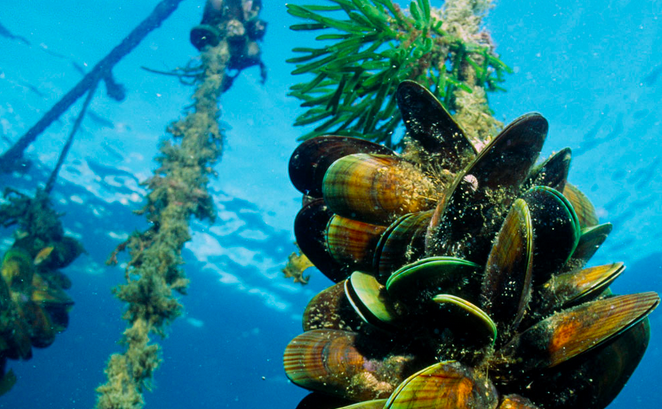
EPA and DHA are not the only game in town. Some marine oils, especially green-lipped mussel oil, also contain ETA and DPA—lesser-known omega-3s that may help regulate inflammation in different ways.
ETA is unusual because it appears to calm inflammation earlier in the inflammatory cascade. This could be especially important for cats prone to chronic inflammatory diseases like CKD, arthritis, and IBD.
DPA also has anti-inflammatory effects of its own. More importantly, it can serve as a precursor for both EPA and DHA. Cats convert little if any plant-based ALA into these active Omega-3s, but they can shift DPA toward either inflammation control or brain and nerve support.
Oxidation: The Omega-3 Killer
Many pet foods and treats add Omega-3s, but they have two things going against them. For one, the amounts are embarrassingly small and unlikely to provide a biological effect.
But even more significantly, Omega-3s are fragile and largely oxidized by the time they get to your cat. This can undermine much of the intended benefit or even cause harm. Unsaturated fats get oxidized by exposure to heat, air, and long storage. These oxidized fats can damage cells, impair energy production, and increase inflammation. Over time, oxidative stress leads to all those degenerative diseases listed above. Dry food is terrible for this; processing alone causes massive oxidation. Then oxidation gets worse as the bag sits in the cupboard. Canned food is better because, even though it’s cooked and there may be oxidized fats in the ingredients, it’s sealed against air so no further oxidation can take place (until you open it).
Beneficial Omega-6s?
Omega-6’s in general, and arachidonic acid in particular, are often treated like evil stepchildren by human health experts. It’s true that linoleic acid (LA) and arachidonic acid (AA) generally lead to pro-inflammatory pathways. But cats require both LA and AA, which means that inflammatory signaling itself is not the enemy. It isn’t as simple as “Omega-3 good, Omega-6 bad.” Both are necessary, but it’s the balance that matters.
With commercial pet food, and even with homemade food, the ratio of Omega-6 to Omega-3 is far too high. This imbalance does lead to inflammation. There is very little Omega-3 in most ingredients, and if the food is cooked or processed, even that tiny bit can be oxidized.
This is why it is so important to add fresh, whole Omega-3s. The right balance provides the maximum benefit.
Omega-3 Supplements
There are many Omega-3 supplements on the market: fish oil, krill oil, algal oil, even calamari oil. I don’t recommend most of them for many reasons. [Read here for more information on these sources and more.]
The single marine oil that provides the widest range of Omega-3, including ETA and DPA, is green-lipped mussel oil.
These mussels are sustainably grown in New Zealand under strict regulations, so is no risk of over-harvesting. They contain not only EPA and DHA but more than a dozen other Omega-3s including ETA and DPA. The capsules are very small, which is advantageous for many pets, especially cats.
The brand I recommend is MOXXOR, which contains the entire range of Omega-3s as well as vitamin E and extra antioxidants for freshness and anti-inflammatory benefits.
If you prefer a liquid fish oil, I trust just one company: Nordic Naturals. It guarantees EPA and DHA, although some fish oils may contain a bit of ETA as well.
To order Moxxor:
MOXXOR comes in a 60-capsule bottle of very small 350 mg capsules (300 mg Omega-3). The human dose is one capsule twice a day; so 60 capsules is one month’s supply for a human or giant breed dog. Smaller pets need much less. Once they’re “caught up” with any Omega-3 deficiency, a cat or small dog can take one capsule 3 or 4 times a week, so a bottle can last several months.
Click here to order a 60-count bottle. Use coupon code DRJEAN for 10% off!